
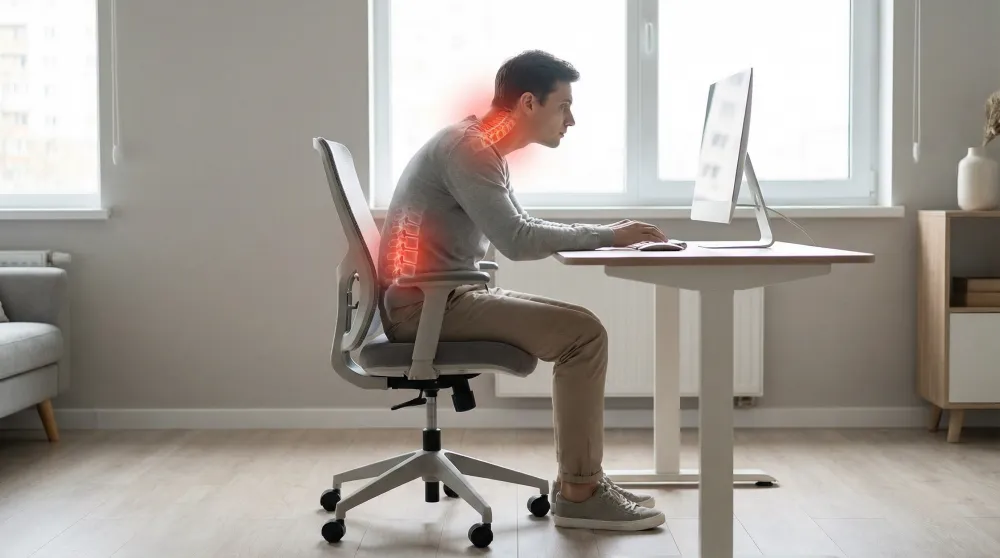
In today’s fast-paced digital world, chronic pain has become an increasingly common complaint among adults of all ages. While many people attribute their discomfort to aging or old injuries, one of the most significant and often overlooked culprits is right in front of us. The way we sit, stand, and interact with our devices plays a massive role in our overall physical health. Consequently, understanding the connection between posture and back pain prevention is essential for anyone looking to achieve long-term relief and improve their quality of life.
The modern lifestyle heavily revolves around screens, leading to a phenomenon commonly referred to as “tech neck.” When you spend hours hunched over a smartphone or slouched at a computer desk, your spine is forced out of its natural alignment. This unnatural positioning places immense stress on the muscles, ligaments, and discs in your neck and lower back. Over time, this constant strain can develop into chronic pain, tension headaches, and even reduced mobility. Therefore, addressing these postural habits is the first critical step toward healing.
The Hidden Costs of Poor Posture
Poor posture does much more than just make you look slouched; it actively alters the biomechanics of your body. When your head leans forward, the effective weight of your head on your cervical spine increases dramatically. For every inch your head moves forward from its neutral position, the stress on your neck increases by roughly ten pounds. This excessive load forces the muscles in your upper back and neck to work overtime, leading to fatigue, stiffness, and eventually, chronic pain.
Furthermore, sitting with a rounded lower back compresses the spinal discs and restricts proper blood flow. This compression can lead to conditions such as herniated discs or sciatica, which cause sharp, shooting pains down the legs. Additionally, poor posture can negatively impact your breathing and digestion. When you slouch, your rib cage compresses your lungs, reducing your oxygen intake and leaving you feeling sluggish and fatigued throughout the day.
If you are already dealing with ongoing discomfort, it is crucial to explore comprehensive solutions. For instance, understanding the root causes of your symptoms is vital. You can learn more about this by reading our guide on Understanding Chronic Pain: Causes, Symptoms, and Solutions. By identifying the underlying issues, you can begin to implement effective strategies for relief.
Ergonomics: Your First Line of Defense
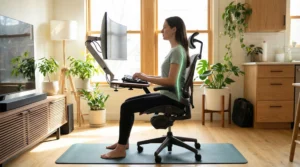
One of the most effective strategies for posture and back pain prevention is optimizing your daily environment. Since many of us spend a significant portion of our day working, creating an ergonomic workspace is absolutely essential. Proper ergonomics ensures that your body remains in a neutral, supported position, thereby minimizing unnecessary strain on your spine and joints.
To set up an ergonomic workstation, start with your chair. Your chair should provide adequate lumbar support to maintain the natural curve of your lower back. Keep your feet flat on the floor, and ensure your knees are at or slightly below hip level. Next, adjust your computer monitor so that the top of the screen is at eye level. This simple adjustment prevents you from constantly looking down, which is a primary cause of neck pain. Furthermore, position your keyboard and mouse so that your elbows rest comfortably at a 90-degree angle.
Beyond the physical setup of your desk, taking regular breaks is equally important. The human body is designed for movement, not for remaining static for eight hours a day. Make it a habit to stand up, stretch, and walk around for at least five minutes every hour. These micro-breaks help reset your posture, improve circulation, and reduce muscle tension. For more insights on managing discomfort naturally, check out our article on Exploring Non-Medical Ways to Manage Pain.
For additional guidance on workplace ergonomics, the Occupational Safety and Health Administration (OSHA ) provides excellent resources and guidelines to help you create a safer, more comfortable work environment.
Professional Care for Postural Correction
While adjusting your workspace and being mindful of your habits are excellent starting points, sometimes professional intervention is necessary to correct long-standing postural issues. Years of slouching can cause certain muscles to become chronically tight while others become weak and overstretched. In these cases, seeking expert care can accelerate your recovery and provide lasting relief.
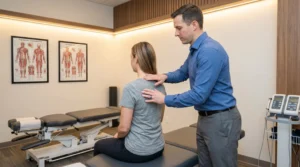
Chiropractic care is highly effective for addressing spinal misalignments caused by poor posture. A licensed chiropractor can perform targeted adjustments to restore proper joint function and improve your overall spinal health. These adjustments help relieve pressure on the nervous system, reduce inflammation, and alleviate pain. If you are curious about how this approach can help you, read more about The Benefits of Chiropractic Care in Pain Relief.
In addition to chiropractic adjustments, physical therapy plays a crucial role in posture and back pain prevention. A physical therapist can design a customized exercise program tailored to your specific needs. These programs typically focus on strengthening the core muscles, which act as the foundation for your spine. By building a stronger core and improving flexibility, you can train your body to maintain proper posture effortlessly.
For those interested in the broader medical perspective on back pain treatments, the American Physical Therapy Association (APTA ) offers valuable information on how targeted movement therapies can resolve chronic musculoskeletal issues. Similarly, the Mayo Clinic provides comprehensive overviews of back pain causes and medical interventions.
Daily Habits and Exercises for a Healthy Spine
Achieving and maintaining good posture requires consistent daily effort. Incorporating specific exercises and stretches into your routine can significantly improve your spinal health and reduce the likelihood of future pain. You do not need expensive equipment or hours of free time; just a few minutes a day can make a profound difference.
Start with simple stretches that counteract the forward-leaning posture of modern life. The “chest opener” stretch is excellent for relieving tension in the shoulders and upper back. Simply stand in a doorway, place your forearms on the doorframe, and gently lean forward until you feel a stretch across your chest. Hold this position for 30 seconds and repeat it several times throughout the day.

Another highly effective exercise is the “wall angel.” Stand with your back flat against a wall, ensuring your head, shoulders, and buttocks are making contact. Raise your arms to shoulder height, bending your elbows at 90 degrees so the backs of your hands touch the wall. Slowly slide your arms up and down the wall while maintaining contact. This exercise strengthens the upper back muscles responsible for keeping your shoulders pulled back.
Mindfulness also plays a surprising role in posture correction. Often, we slouch simply because we are not paying attention to our bodies. By practicing mindfulness, you can become more aware of your physical positioning throughout the day. When you notice yourself slouching, gently correct your posture without judgment. To learn more about this mind-body connection, explore our post on Mindfulness Practices That Can Help Alleviate Pain.
For a deeper dive into exercises specifically designed for spinal health, the National Spine Health Foundation highlights modern trends in preventing back pain, including the benefits of walking and mind-body practices like Tai Chi. Additionally, Harvard Medical School publishes extensive research on non-invasive pain relief techniques that you can practice at home.
Taking the Next Step Toward a Pain-Free Life
Overcoming chronic pain caused by poor posture is a journey, but it is entirely achievable with the right knowledge and support. By prioritizing ergonomics, seeking professional care when needed, and committing to daily strengthening exercises, you can take control of your spinal health. Remember, posture and back pain prevention is not a one-time fix; it is a lifelong commitment to treating your body with the care and respect it deserves.
If you are struggling with chronic pain and are looking for personalized, non-invasive solutions, the team at Pain Defeat is here to help. We specialize in comprehensive pain management strategies, including physical therapy and chiropractic care, designed to address the root cause of your discomfort. Do not let poor posture dictate your quality of life any longer.
Take the first step toward a healthier, pain-free future today. Evaluate your workspace, start incorporating daily stretches, and reach out to our experienced professionals to create a customized treatment plan tailored to your unique needs. Your path to lasting relief begins with a single, well-aligned step.