
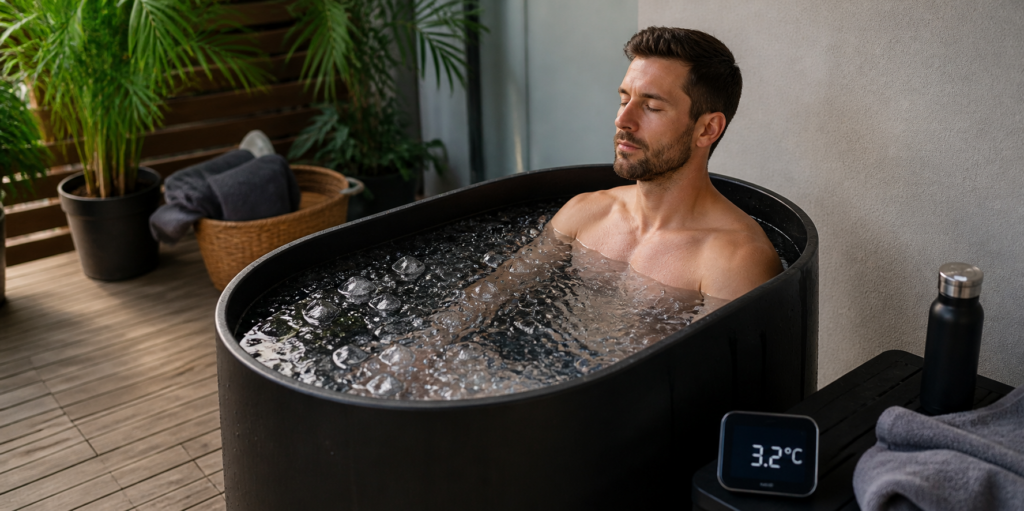
Cold exposure therapy, including ice baths and cold showers, has gained attention as a natural way to manage chronic pain. Many people now explore this method to reduce inflammation, ease muscle soreness, and support recovery. While it may not replace other treatments, cold therapy can play a role in a broader pain management routine.
What Is Cold Exposure Therapy?
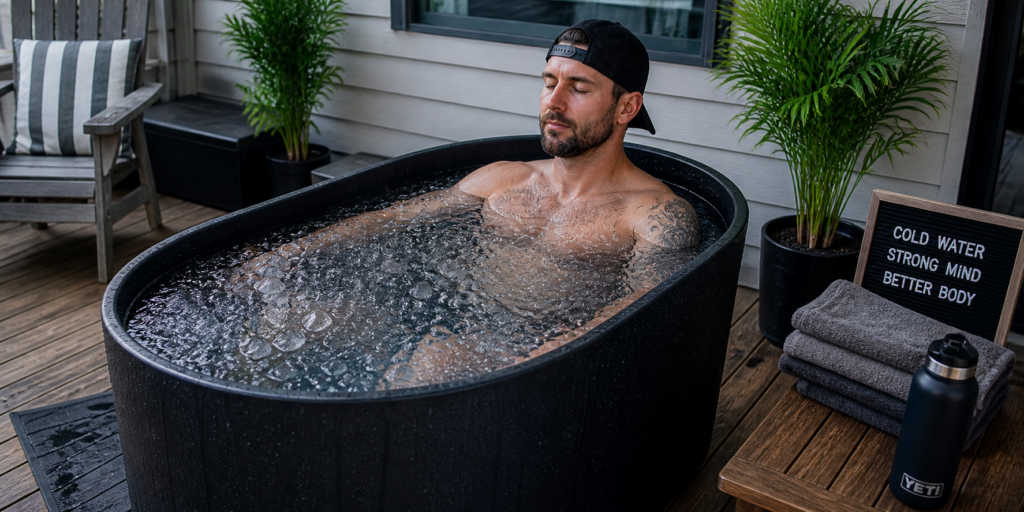
Cold exposure therapy involves exposing the body to low temperatures for short periods. This may include ice baths, cold plunges, or even cold showers. The goal is to trigger physiological responses that may help reduce pain and inflammation.
When the body is exposed to cold, blood vessels constrict, which may help reduce swelling. After warming up, circulation improves, which may support recovery and reduce discomfort.
If you are already exploring “How to Manage and Relieve Pain Without Medication”, cold exposure can complement your routine.
Why Cold Therapy Is Trending Right Now
Cold therapy has become popular due to athletes, wellness influencers, and growing interest in non-medication pain relief. Many people are looking for natural ways to manage discomfort without relying heavily on medication.
Research continues to explore how cold exposure affects inflammation, nerve sensitivity, and recovery. Organizations like the National Institutes of Health and CDC continue to study pain and recovery methods.
Potential Benefits of Cold Exposure for Pain
1. Reduced Inflammation
Cold temperatures may help reduce inflammation by limiting blood flow to affected areas. This can be helpful for people experiencing joint pain or muscle soreness.
2. Nerve Pain Relief
Cold exposure may temporarily numb nerve endings, which can reduce pain signals. This is similar to how ice packs are used for injuries.
3. Faster Muscle Recovery
Many athletes use ice baths to recover after intense activity. Cold exposure may help reduce muscle soreness and improve recovery time.
4. Improved Mental Resilience
Cold therapy can also challenge the body and mind. Some people report feeling more energized and focused after cold exposure sessions.
You can combine this with “Mindfulness Practices That Can Help Alleviate Pain” to improve overall results.
How to Try Cold Exposure Safely
If you are new to cold therapy, it is best to start slowly. Sudden exposure to extreme cold may not be suitable for everyone.
-
- Start with cold showers for 30 seconds
- Gradually increase exposure time
- Keep sessions under 10 minutes
- Warm up slowly afterward
People with certain conditions should consult reliable sources like the Mayo Clinic before trying cold exposure.
Cold Therapy vs Other Pain Management Methods
Cold exposure works best when combined with other strategies. It is not a standalone solution but part of a broader approach.
For example, improving posture can also reduce chronic pain. You may find helpful tips in posture correction strategies.
Sleep also plays a key role in recovery. Learn more about sleep and pain relief.
What Science Says About Cold Exposure
Studies suggest that cold therapy may help reduce delayed onset muscle soreness (DOMS) and inflammation. However, results vary depending on the individual and type of pain.
According to the Harvard Health Publishing, cold therapy may help with acute injuries, but long-term chronic pain benefits are still being studied.
Additional resources like the Cleveland Clinic provide insights into safe use and limitations.
Who Should Avoid Cold Exposure?
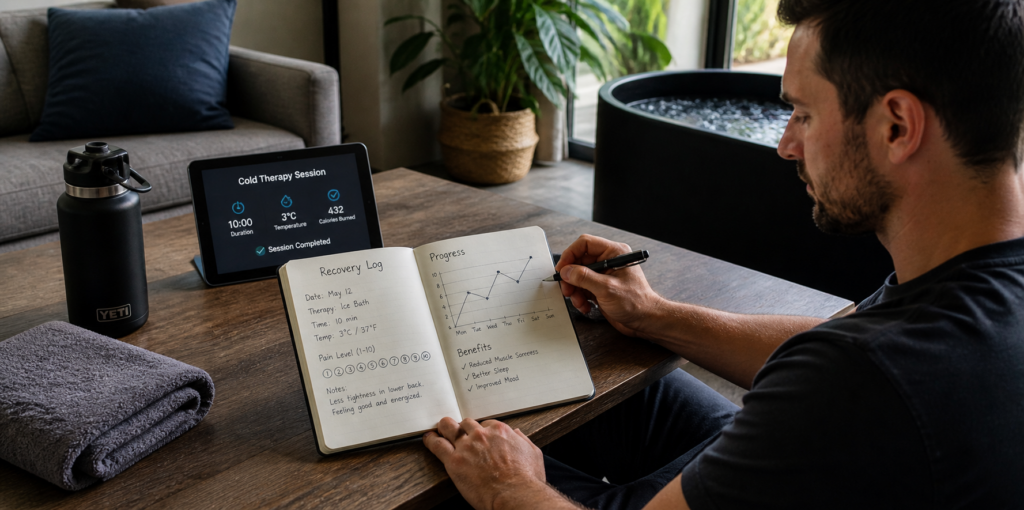
Cold therapy may not be suitable for everyone. People with the following conditions should be cautious:
- Heart conditions
- Poor circulation
- Raynaud’s disease
- Severe nerve sensitivity
Always listen to your body and stop if discomfort becomes intense.
Final Thoughts
Cold exposure therapy is gaining attention as a simple and accessible way to manage pain. While it may not work for everyone, it can be a useful addition to a balanced pain management plan.
Combining cold therapy with exercise, mindfulness, proper sleep, and posture improvements may provide better long-term results. As research continues, more insights may emerge about how cold exposure supports chronic pain relief.