

Chronic pain can be a daily struggle, and tracking it can often feel overwhelming. However, using wearable technology and apps designed to monitor chronic pain is quickly becoming one of the most effective methods for managing pain over time. By combining this technology with exercise, nutrition, and alternative therapies, individuals can manage their pain more effectively and improve their quality of life.
Chronic pain sufferers often struggle to identify what exacerbates their pain. Wearable devices and apps that track pain levels are emerging as powerful tools in pain management. These technologies help users to track and log their pain patterns, providing valuable data that can be used to refine treatment and improve overall well-being.
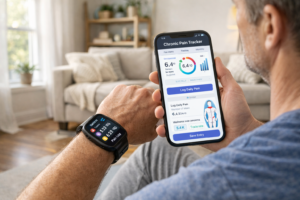
The Role of Wearable Technology and Apps
Wearable technology is transforming the way we manage chronic pain. These devices, including smartwatches and fitness trackers, allow individuals to monitor pain, track daily activities, and measure wellness metrics such as sleep quality, activity levels, and stress. Data collected through these wearables and apps can be shared with healthcare providers, helping them make more informed decisions about treatment and pain management strategies.
Exploring Non-Medical Ways to Manage Pain
5 Effective Strategies for Managing Chronic Pain Without Surgery
National Institute of Neurological Disorders and Stroke (NINDS) – Chronic Pain
Mayo Clinic – Chronic Pain Overview
Benefits of Monitoring Chronic Pain
Identifying Pain Patterns
Tracking pain consistently over time helps identify pain patterns and triggers. By seeing the times of day, activities, or foods that coincide with flare-ups, users gain insights into what exacerbates their pain and what alleviates it. This data is valuable for individuals seeking to adjust their daily routines to better manage their pain.

Better Communication with Healthcare Providers
Sharing detailed pain logs and wellness data with your healthcare provider can lead to more informed and precise treatment. This data allows your doctor to understand how your pain varies and tailor treatments more effectively to your needs. The ability to communicate specific pain levels and symptoms can improve the quality of care you receive.
Enhanced Treatment Adjustments
Based on the data you collect, healthcare providers can make more accurate adjustments to your treatment plan. Whether it’s altering medication dosages, adding or changing therapies, or suggesting new lifestyle changes, tracking pain levels gives providers the tools they need to optimize your care.
Increased Personal Empowerment
Having control over your own pain management through tracking gives you a sense of empowerment. It encourages active participation in your health and helps you feel more in control of your condition. With this data, you can take steps to alleviate pain, adjust your routine, and make informed decisions about your treatment.
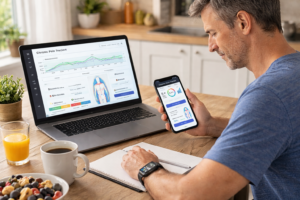
How Wearables and Apps Help Manage Chronic Pain
Wearable devices like smartwatches and fitness trackers are more than just tools for tracking steps; they offer a window into your overall health, including chronic pain. These devices use sensors to measure a variety of factors that can impact pain levels, such as sleep quality, activity, and heart rate variability. Many apps are designed to track pain, monitor stress, and provide feedback on pain management strategies. Over time, users can recognize patterns and make informed decisions about how to reduce flare-ups and manage pain more effectively.
Conclusion
Monitoring chronic pain with apps and wearables is a powerful way to improve pain management and overall wellness. These tools help individuals stay connected with their healthcare providers, provide valuable data to guide treatment, and offer a sense of control over one’s health. By embracing this technology, chronic pain sufferers can take proactive steps toward a better quality of life.