
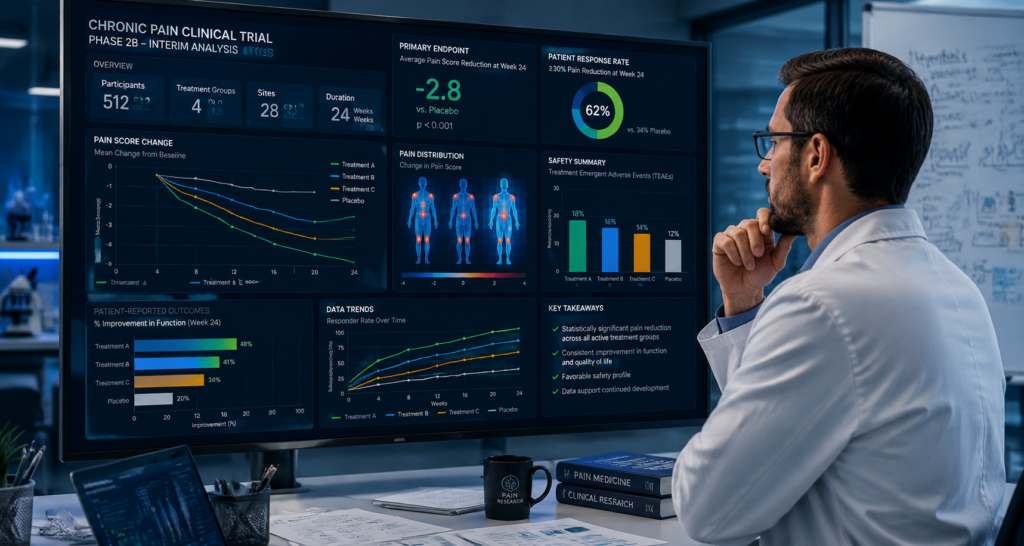
Chronic pain affects tens of millions of adults worldwide and remains one of the most challenging health conditions to treat. For years, opioid medications dominated pain management, but concerns about addiction, tolerance, and side effects have driven researchers to search for safer and more effective alternatives. Today, exciting advances in clinical trials are reshaping the future of pain relief by focusing on non‑opioid therapies that target the nervous system and biological drivers of pain. These emerging approaches offer new hope for people with chronic pain who have not found lasting relief with traditional treatments.
Why Non‑Opioid Therapies Matter
For decades, opioids were prescribed widely for chronic pain, despite limited evidence that they improved long‑term function for many non‑cancer pain conditions. Research now shows that chronic pain often involves complex changes in the nervous system, including central sensitization and altered pain pathways that opioids alone cannot reliably fix. Additionally, long‑term opioid use can lead to tolerance, hyperalgesia (increased pain sensitivity), and dependence, making safer alternatives a priority.
That’s why researchers are exploring new classes of drugs, neuromodulation technologies, gene‑targeted approaches, and immune system‑based treatments — with the aim of reducing pain without addiction risk. Many of these are currently being evaluated in Phase 2 and Phase 3 clinical trials, meaning they are close to becoming real treatment options for patients.
Key Emerging Pain Therapies in 2026
Nav1.7 and Sodium Channel‑Targeted Agents
The voltage‑gated sodium channel Nav1.7 is a protein strongly linked to pain signaling in peripheral nerves. Genetic evidence shows that people with loss‑of‑function mutations in the Nav1.7 gene have congenital insensitivity to pain. This discovery sparked drug development efforts to selectively block Nav1.7, aiming to dampen pain signals without sedating the nervous system.
New sodium channel inhibitors entering late‑stage trials show promise for conditions like neuropathy and musculoskeletal pain. If successful, these drugs may offer meaningful pain reduction with fewer side effects than traditional analgesics.
Nerve Growth Factor (NGF) Inhibitors
Monoclonal antibodies targeting nerve growth factor (NGF) are another exciting area of research. NGF plays a role in pain signal amplification, and blocking its receptors may reduce chronic pain, especially in osteoarthritis and back pain. Trials evaluating these agents have shown encouraging results, and regulatory decisions in 2025 and 2026 will determine how widely they can be prescribed.
Immune‑Targeted and Anti‑Inflammatory Strategies
Researchers are also investigating medications that modify immune responses, with the goal of reducing the neuroinflammation associated with chronic pain persistence. By targeting cytokines and inflammatory mediators implicated in long‑term pain sensitization, these therapies could help patients with conditions like rheumatoid arthritis or persistent joint pain.
Neuromodulation Advances Beyond Medication
Medical devices that alter nerve activity — known as neuromodulation therapies — are becoming more precise and effective. Traditional spinal cord stimulation (SCS) systems deliver electrical signals that disrupt pain transmission. Newer platforms use high‑frequency stimulation or closed‑loop systems that adjust in real time based on neural feedback. These advances show heightened efficacy and improved patient satisfaction.
Additionally, dorsal root ganglion (DRG) stimulation targets specific nerve clusters associated with pain, offering relief for conditions like complex regional pain syndrome. Ongoing clinical research continues to refine these technologies and expand their use.
What Clinical Trials Are Telling Us
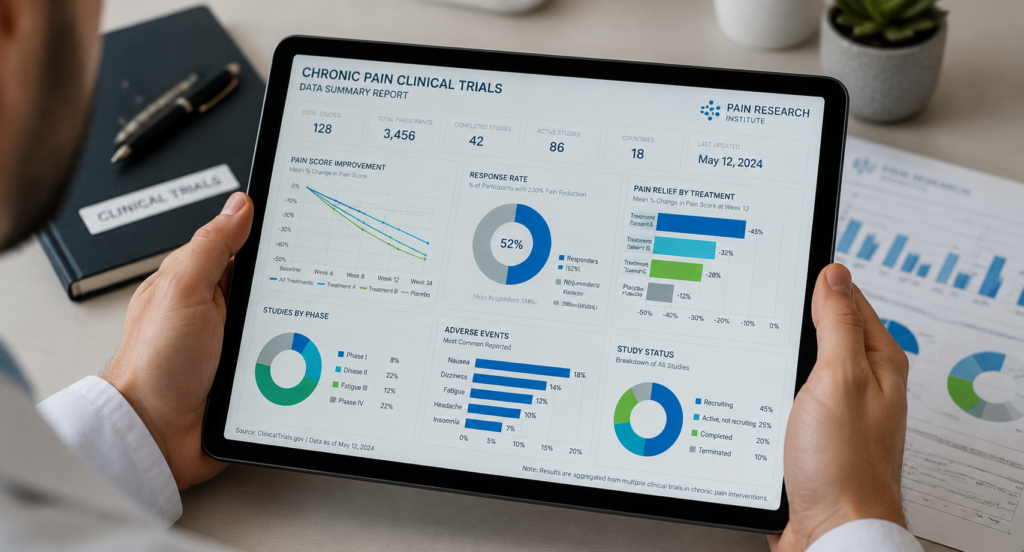
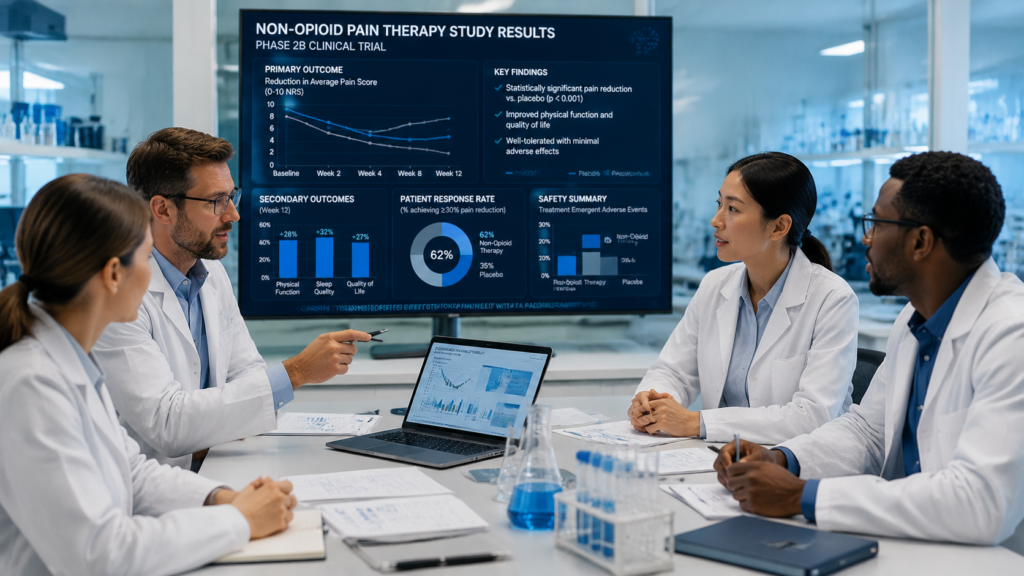
Clinical trials are the gold standard for testing new therapies. In 2026, the pain research pipeline includes dozens of studies evaluating novel mechanisms, such as sodium channel modulation, immune modulation, and advanced neuromodulation. These trials provide evidence about safety, effectiveness, and long‑term potential.
If you’re curious about participating in a study or understanding the latest active trials, resources like ClinicalTrials.gov offer searchable databases of ongoing pain research. Additionally, organizations like the National Institutes of Health (NIH) support and fund many of these studies. Both platforms provide detailed trial information and eligibility criteria.
How New Therapies Fit with Everyday Pain Management
While many emerging therapies may still be in trials, multimodal pain management — combining lifestyle strategies — remains essential. Evidence shows that integrating physical therapy, mindful movement, and healthy habits supports long‑term relief better than isolated treatment alone. If you haven’t already, consider exploring exercise approaches for chronic pain, which can improve mobility and reduce pain signals over time.
Similarly, sleep quality has a strong influence on pain perception. Poor sleep can amplify pain sensitivity and slow recovery. For strategies that support nightly rest, see our guide on sleep and pain relief.

Realistic Expectations and Safety
Emerging therapies offer promise, but they are not instant cures. Chronic pain is a complex biopsychosocial condition, and successful management typically blends therapies. Always discuss new treatments with your healthcare provider, especially if you’re considering trial participation or changes to your current regimen. Resources like the Mayo Clinic provide vetted educational content on safe pain management practices.
It’s also important to understand that not every patient will qualify for every therapy. Eligibility criteria vary by trial and condition, and some treatments may be better suited for specific pain types or neurological profiles.
Looking Ahead
As we move through 2026, the pain management landscape continues to evolve. New research highlights the shift from opioids toward targeted therapies that intervene at molecular and neural levels. While more research is needed, the progress seen in clinical trials brings hope for stronger, safer, and more personalized options for people living with chronic pain.
Staying informed, working with your care team, and integrating supportive lifestyle practices can help you make the most of both current and future therapies. With continued scientific momentum, the future of chronic pain care looks brighter than ever.