
New knee aches, stiff fingers, sore shoulders, or unexplained muscle discomfort can be unsettling, especially when they begin around the same time as changes in menstrual cycles or sleep. For some people, these symptoms appear during perimenopause, the years leading up to menopause when reproductive hormone levels fluctuate.
Perimenopause joint pain is receiving more attention in 2026 as researchers examine the relationship between hormonal changes, musculoskeletal health, and persistent discomfort. Although menopause may contribute to aches and stiffness, it is important not to assume that every new pain has a hormonal cause. Understanding the possibilities can help people seek appropriate care and choose practical ways to stay active.
What Is Perimenopause?
Perimenopause is the transition preceding menopause. Periods may become less predictable as estrogen and progesterone levels change. Some people notice hot flashes, night sweats, mood changes, or disrupted sleep, while others have relatively few symptoms. Menopause is reached after 12 consecutive months without a menstrual period, when there is no other explanation.
According to the National Institute on Aging, the experience and timing vary considerably. Joint pain is one possible symptom, but age-related conditions and other medical problems can occur during the same years.
What 2026 Research Says About Joint and Muscle Aches
A 2026 systematic review and meta-analysis examined 37 observational studies involving more than 93,000 women. It found that muscle or joint pain was reported by approximately 40% of premenopausal women, 57% of perimenopausal women, and 59% of postmenopausal women.
Those numbers point to an important association, not proof that changing hormones caused the pain. The studies differed substantially, and specific diagnoses were often poorly documented. An October 2026 commentary in Nature Reviews Rheumatology likewise called for better definitions, assessment, and clinical trials addressing menopausal musculoskeletal symptoms.
Why Might Hormonal Changes Affect Pain?
Estrogen interacts with tissues and biological systems involved in musculoskeletal health, including bone, muscle, tendons, cartilage, and inflammatory pathways. During perimenopause, fluctuating estrogen may be one factor influencing how joints feel or how the body responds to activity.
There is also an indirect connection. Hot flashes and night sweats can interrupt sleep, and poor sleep may increase sensitivity to pain. Stress, changes in activity, and existing joint problems can add to the picture. The American Academy of Orthopaedic Surgeons discusses these changes under the emerging concept of musculoskeletal syndrome of menopause.
However, that term does not replace a medical diagnosis. Similar symptoms can result from osteoarthritis, inflammatory arthritis, thyroid disorders, injuries, and other conditions.
What Does Perimenopause-Related Pain Feel Like?
People may describe morning stiffness, aching knees or hips, discomfort in the hands, sore muscles after ordinary activity, or shoulders that feel less flexible. Symptoms can fluctuate rather than remaining constant.
Patterns offer useful clues, but they cannot confirm the cause. For example, discomfort in several joints without obvious swelling may differ from a hot, visibly swollen joint. Persistent swelling, increasing weakness, or pain following injury warrants assessment rather than an assumption that hormones are responsible.
When Should Joint Pain Be Evaluated?
Arrange a medical appointment when pain is new, worsening, persistent, or interfering with daily activities. A clinician may ask about symptom locations, morning stiffness, swelling, menstrual changes, medications, sleep, and family history. An examination and, where indicated, targeted testing can help identify another explanation.
Seek prompt care for a joint that becomes suddenly hot, red, and very swollen, especially with fever. New inability to bear weight, major injury, or unexplained neurological symptoms should also be assessed urgently. The U.S. Office on Women’s Health advises discussing new or worsening joint and muscle pain with a healthcare professional.
Strength Training Can Support Muscles and Joints
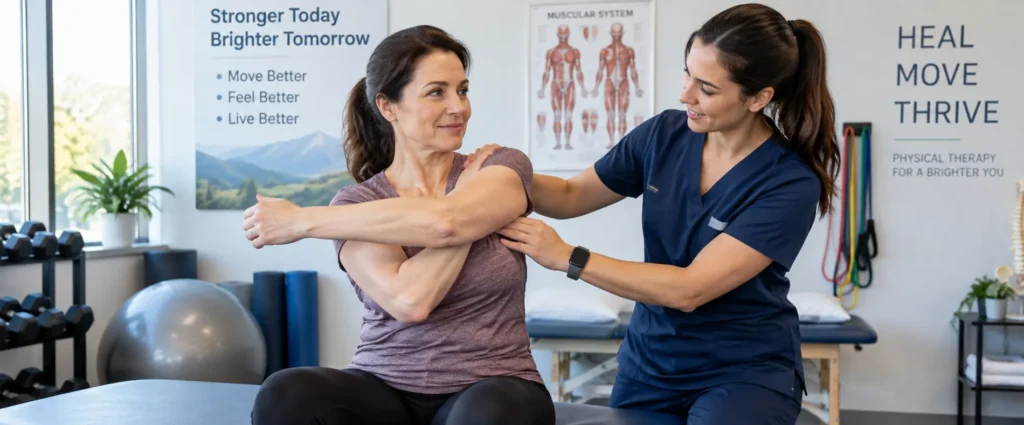
For many adults, progressive resistance exercise is a practical foundation for musculoskeletal health. Strengthening the legs, hips, back, and upper body helps maintain muscle function and may make everyday movement easier. It also supports bone health during midlife.
Starting does not require heavy weights. Sit-to-stand movements, supported squats, light resistance bands, or carefully selected exercises may be appropriate. Begin at a manageable level and increase gradually, particularly when activity has been limited by pain.
A physical therapist can adapt exercises to an individual diagnosis, balance concerns, and current abilities. Readers interested in broader non-drug strategies can explore Pain Defeat’s guide to managing pain without medication.
Keep Moving, Without Pushing Through Warning Signs
Regular walking, cycling, swimming, or other enjoyable low-impact activities can help maintain fitness and daily function. Short sessions are useful when a longer workout feels overwhelming. Gradual consistency usually matters more than an intense session followed by several inactive days.
Movement should be tailored to the cause of pain. Someone with an inflammatory condition, a recent injury, or unstable balance may need different guidance than someone experiencing mild generalized stiffness. Gentle range-of-motion exercises can be helpful, but sharp or worsening symptoms are a reason to stop and reassess.
For desk-based discomfort that overlaps with these symptoms, see Pain Defeat’s article on posture and chronic pain.
Sleep and Stress Deserve Attention Too
Night sweats, insomnia, and repeated awakenings may make pain harder to cope with the following day. Helpful habits include keeping regular sleep and wake times, limiting late caffeine, and making the bedroom comfortable and cool. If sleep problems persist, a clinician can assess menopause symptoms and possible sleep disorders.
Mindfulness, paced breathing, and other relaxation practices can support emotional well-being, though they should not be presented as cures for joint disease. For practical examples, read mindfulness practices that may help with pain and the site’s sleep-pain connection guide.
New 2026 guidance from the American College of Obstetricians and Gynecologists addresses menopausal hot flashes, sleep, and mood symptoms. Its recommendations should not be mistaken for proof that any particular treatment resolves musculoskeletal pain.
Can Food and Supplements Relieve the Aches?
A balanced eating pattern can support muscle, bone, and general health. Regular meals with protein, vegetables, fruits, whole grains, and sources of calcium are sensible foundations. Vitamin D needs vary, and supplements are most useful when there is a demonstrated need or a clinician recommends them.
Be cautious about products promising to “balance hormones” or eliminate menopausal joint pain. Such claims often go beyond the available clinical evidence. Some supplements interact with medication or have side effects, so review new products with a healthcare professional.
Is Menopausal Hormone Therapy a Joint Pain Treatment?
Menopausal hormone therapy can be effective for certain symptoms, particularly troublesome hot flashes and related sleep disturbance in appropriately selected patients. But treating joint pain is a different question.
A 2026 systematic review of hormone therapy and musculoskeletal pain found no significant overall association between ever using hormone therapy and generalized musculoskeletal pain in its pooled analysis. The studies varied widely, and results for specific conditions were inconsistent. More targeted randomized trials are needed.
Hormone therapy should therefore not be started solely on the assumption that it will cure joint aches. A clinician can discuss whether it is appropriate for other menopausal symptoms while considering medical history, individual risks, and treatment preferences. The NICE menopause guidance also emphasizes individualized assessment and shared decisions.
Build a Practical Midlife Pain Plan
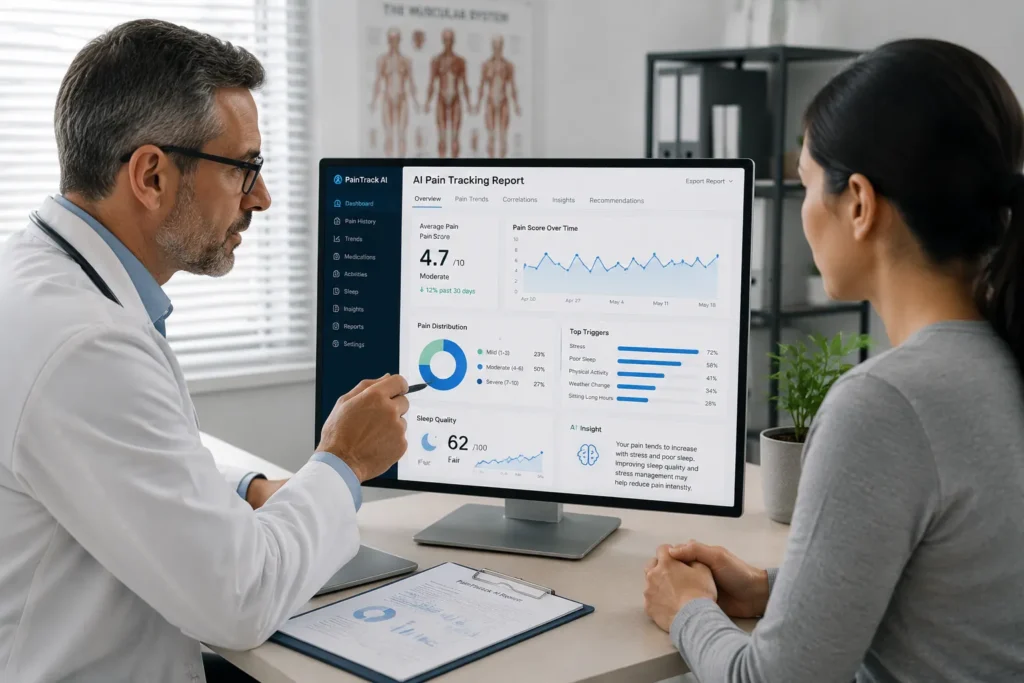
A simple symptom record can help distinguish patterns from isolated bad days. Note which joints hurt, when stiffness occurs, how sleep has been, which activities feel manageable, and whether symptoms change over several weeks. Bring that record to a healthcare appointment.
Choose one or two manageable goals, such as two short strengthening sessions each week, a regular walking habit, or a consistent bedtime. Reassess the plan if pain increases rather than improving. Effective management is about maintaining function and quality of life, not achieving an unrealistic promise of being pain-free every day.
Final Thoughts
Joint and muscle pain can become more common during perimenopause, but the relationship is complex. The latest studies support taking these symptoms seriously while checking for conditions that need specific treatment. Strength training, appropriately paced activity, better sleep, and individualized medical care offer a constructive starting point.
Anyone with new or persistent pain deserves an evaluation that looks beyond hormones alone. The right plan begins with understanding the cause and setting realistic, sustainable goals.