
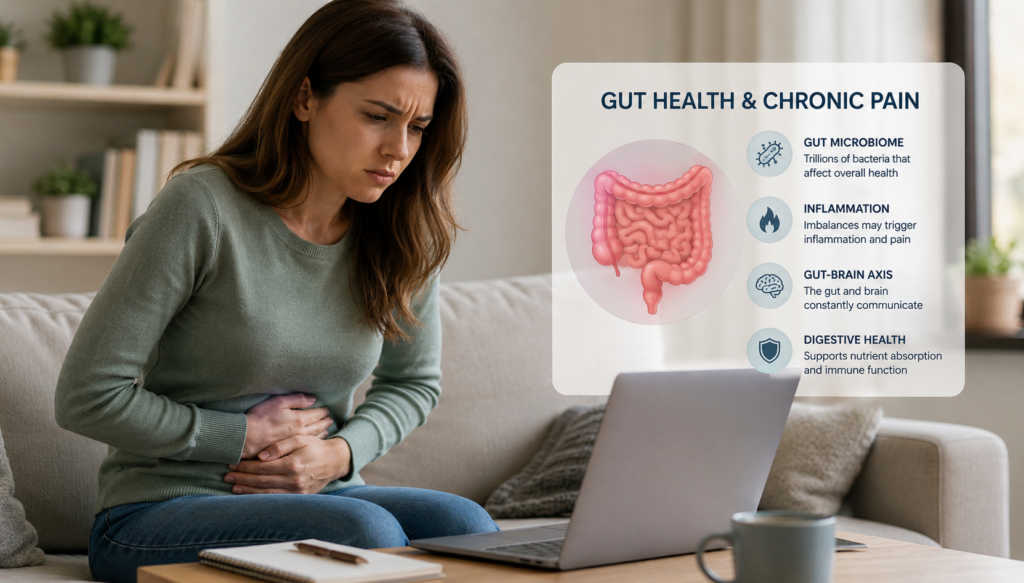
Research into the gut microbiome is becoming an important area of chronic pain research. Recent reviews have examined connections between gut bacteria, inflammation, immune activity, and pain signaling. The evidence remains developing, but researchers are exploring whether gut health may influence conditions such as fibromyalgia and chronic gastrointestinal pain.
What Is the Gut Microbiome?
The gut microbiome refers to the large community of microorganisms living throughout the digestive tract. These microorganisms include bacteria and other microbes that interact with digestion, immune activity, metabolism, and communication between the gut and nervous system.
The gut is also connected with the brain through what researchers call the gut brain axis. This communication network involves nerves, immune signals, hormones, and microbial compounds. Because pain involves both the nervous and immune systems, researchers are studying whether changes in the gut environment may influence pain sensitivity.
A 2026 review published in Pharmacological Research examined the gut brain axis in chronic gastrointestinal pain. The review discussed microbial imbalance, immune activation, intestinal barrier changes, and altered pain signaling as areas of ongoing research.
Why Gut Health Is Being Studied in Chronic Pain
Chronic pain is more complex than an isolated signal from an injured area. The nervous system, immune system, sleep, stress, physical activity, and other biological factors may influence how pain is experienced.
Researchers are particularly interested in whether changes in gut bacteria may affect inflammatory processes and nervous system sensitivity. This does not mean that gut problems cause every form of chronic pain. Instead, the microbiome is being investigated as one possible factor within a larger pain system.
A systematic review of adults with chronic widespread pain and fibromyalgia found that differences in gut microbiota have been observed in research studies. However, the authors also noted that the available evidence remains limited and heterogeneous. More rigorous research is needed before microbiome based treatments become established approaches for chronic pain.
For broader non medication approaches, readers may also explore our guide to “How to Manage and Relieve Pain Without Medication”.
The Gut Brain Axis and Pain Signaling
The gut and nervous system communicate in both directions. Signals from the digestive tract can influence the brain, while stress and nervous system activity can affect digestion and gut function.
Gut microorganisms produce metabolites that interact with immune and nervous system pathways. Researchers are examining whether these compounds influence inflammation, intestinal barrier function, and pain processing.
Chronic gastrointestinal pain is one area where this relationship is especially relevant. A 2026 review described microbial dysbiosis, mucosal immune activation, and neuroendocrine changes as possible contributors to visceral hypersensitivity and persistent gastrointestinal pain.
This research also helps explain why some people with chronic pain report digestive symptoms at the same time. Conditions such as irritable bowel syndrome and other disorders involving gut brain interactions may involve overlapping biological and psychological pathways.
What Researchers Are Finding in Fibromyalgia
Fibromyalgia has received particular attention in microbiome research because the condition involves widespread pain along with symptoms such as fatigue, sleep disruption, and cognitive difficulties.
A 2026 systematic review examined genomic and metabolomic findings involving the gut microbiome in fibromyalgia. The review identified evidence of altered microbial patterns and discussed potential connections with immune regulation, neuroinflammation, and central pain sensitization.
These findings are interesting, but they do not establish that changing gut bacteria alone treats fibromyalgia. Researchers still need larger and better controlled human studies to determine which microbiome changes matter and whether targeted interventions produce meaningful improvements.
A separate systematic review of chronic widespread pain and fibromyalgia reached a similar conclusion. Gut microbiota alterations appear relevant, but evidence for probiotics, prebiotics, and other microbiota directed treatments remains uncertain.
Can Diet Affect Gut Health and Pain?
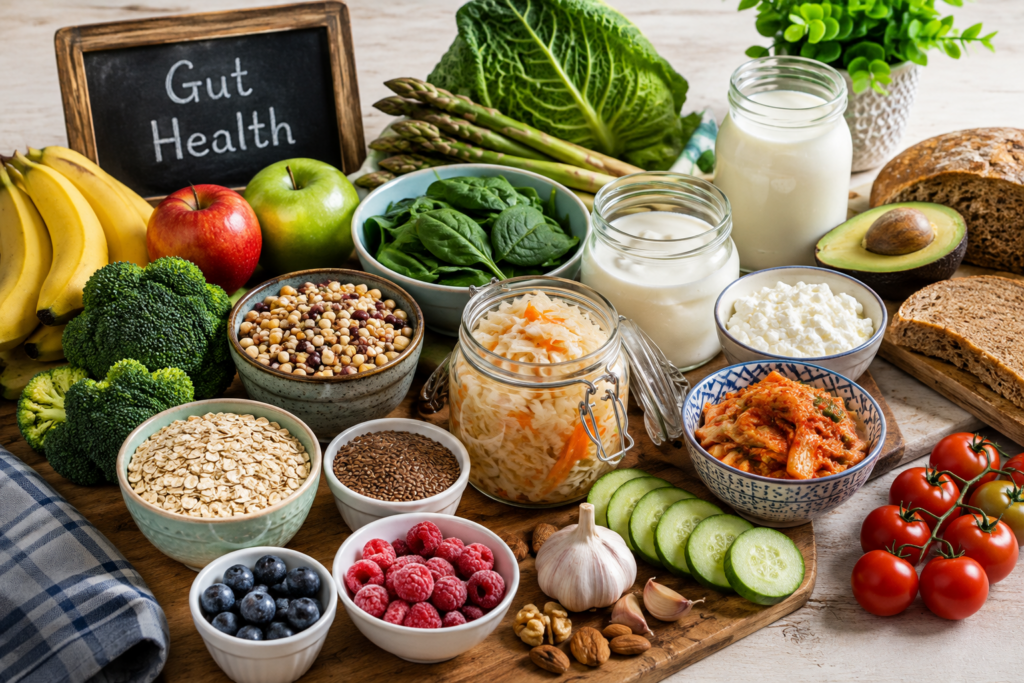
Diet influences the environment in which gut microorganisms live. Foods containing fiber provide substrates that certain beneficial bacteria can use. Fruits, vegetables, beans, whole grains, nuts, and seeds are common sources of dietary fiber.
Fermented foods may also contain live microorganisms. Examples include yogurt with active cultures, kefir, kimchi, sauerkraut, and other fermented foods. Individual responses vary, especially among people with digestive conditions.
Supporting gut health does not require following a single universal diet. A balanced eating pattern that provides adequate fiber, protein, healthy fats, vitamins, and minerals can support overall health while allowing adjustments based on individual tolerance.
People interested in other lifestyle approaches can also read our guide to “Mindfulness Practices That Can Help Alleviate Pain”.
What About Probiotics and Prebiotics?
Probiotics are living microorganisms found in certain foods and supplements. Prebiotics are substances, often types of dietary fiber, that support the growth or activity of certain microorganisms.
Both are being studied in relation to chronic pain and inflammatory conditions. However, probiotic products are not interchangeable. Different strains may have different effects, and results from one product cannot automatically be applied to another.
The current evidence does not support treating chronic pain with probiotics alone. Anyone considering a supplement may benefit from discussing the specific product with a healthcare professional, particularly when taking medications or managing a digestive condition.
Everyday Habits That Support Gut Health
Simple habits can support digestive and overall health without relying on a single supplement or treatment. These habits may include eating a varied diet, gradually increasing fiber intake, drinking enough fluids, staying physically active, and maintaining regular sleep.
- Include a variety of fruits and vegetables in meals.
- Add fiber rich foods gradually if your current intake is low.
- Choose whole grains, beans, nuts, and seeds when tolerated.
- Include fermented foods that fit your digestive needs.
- Stay hydrated throughout the day.
- Maintain regular physical activity.
- Prioritize consistent, adequate sleep.
Sleep is particularly relevant because poor sleep and chronic pain can influence each other. Our guide to “The Sleep-Pain Connection: How Better Sleep Can Dramatically Reduce Chronic Pain” provides additional information about this connection.
Gut Health Is Not a Standalone Pain Treatment
It is easy to overstate microbiome research because the subject is receiving considerable attention. Current evidence does not show that repairing the gut microbiome cures chronic pain.
Researchers are still working to determine which microbial changes are meaningful, which interventions are effective, and which patients might benefit. Some findings come from laboratory or animal research, while others come from small human studies.
The 2026 literature supports continued investigation rather than a single dietary solution. This distinction matters because chronic pain can have multiple contributing factors that require different approaches.

When Digestive Symptoms and Pain Occur Together
Persistent digestive symptoms alongside chronic pain may deserve medical attention. Symptoms such as ongoing abdominal pain, unexplained weight changes, persistent diarrhea, constipation, blood in the stool, or significant changes in bowel habits may have many possible causes.
A healthcare professional can evaluate digestive symptoms and determine whether additional testing or treatment is appropriate. Treating an underlying gastrointestinal condition may be relevant to overall well-being, but it should not be assumed that every digestive symptom comes from the microbiome.
The Future of Gut Based Pain Research
Researchers are moving toward more precise studies of individual microbial species, microbial metabolites, immune signaling, and the gut brain axis. Newer approaches may eventually help researchers identify biological patterns associated with specific pain conditions.
The long term goal is not simply to label someone’s microbiome as healthy or unhealthy. Researchers are looking for clearer relationships between microbial activity and measurable health outcomes. This may eventually support more personalized approaches to chronic pain care.
Final Thoughts
Gut health is becoming an important research area in chronic pain science. Studies published in 2026 continue to explore relationships between gut microorganisms, inflammation, immune signaling, and pain processing.
The evidence is promising but still developing. Supporting digestive health through balanced nutrition, regular activity, adequate sleep, and other healthy habits may contribute to overall well-being, but microbiome focused treatments should be viewed carefully until stronger clinical evidence becomes available.